Choosing renewable energy for businesses can feel like a maze of acronyms. The short answer: you can generate power, sign a long-term contract, or buy it through your utility or as certificates. Which fits depends on your site, budget and claims.
This guide is part of the wider topic of sustainability in business, and it focuses on the practical routes to cleaner electricity.
| Item | Value |
|---|---|
| Typical contract term when a developer owns on-site solar | 7-20 years |
| Upfront investment under third-party financing | None required |
| States that have authorized shared renewables or community solar | More than 15, plus the District of Columbia |
| Price of utility green power products | Often a small cost premium |
| Renewable energy certificates (RECs) needed to claim renewable electricity use | Required (owned and retained) |
These figures come from EPA’s small business resources page, an archived January 2021 snapshot, and from its procurement considerations page. Figures can change, so check the source before you rely on them.
The main ways to source renewable power
Electricity is a big lever. EPA’s Green Power Partnership notes that electricity use is often the single largest source of an organization’s emissions and air pollution footprint, and a significant expense too. The sources used here describe the US market, so check local rules if you operate elsewhere.
EPA’s archived list of eligible green power supply options (a January 2021 snapshot) groups the routes like this:
- Self-generation: you own the generating asset, on-site or off-site, grid-connected or off-grid.
- Physical power purchase agreement (PPA): a third party owns the project and delivers the power to you.
- Financial or virtual PPA: a contract with a third-party project, but the electricity itself is not delivered to you.
- Utility green power pricing: you buy from a regulated utility.
- Competitive supplier green power: you buy from a supplier you chose in an open market.
- Unbundled RECs: you buy the environmental attributes separately from the electricity.
Many organizations mix these. EPA’s procurement guidance says that in many cases, consumers use a combination of green power supply options to meet their objectives.
On-site generation and who pays for it
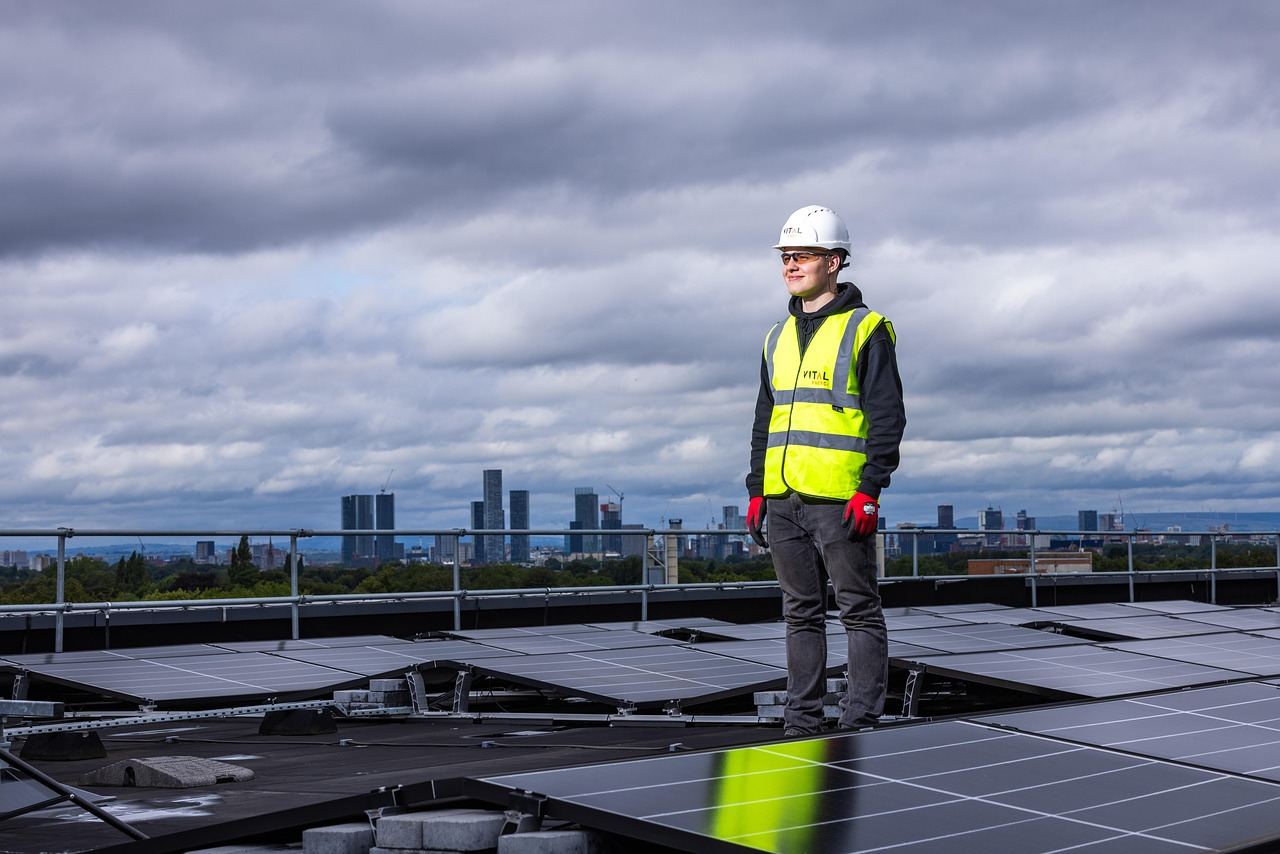
Putting solar on your own property is the most visible option. There are generally two ways to finance it, according to EPA’s small business resources.
- Self-financing: you pay for the project. This approach requires an upfront investment, but you can reduce your electric bills and keep the RECs the system generates.
- Third-party financing: a developer owns and operates the system on your property. You do not have to make an upfront investment, but you typically agree to purchase the electricity for 7-20 years.
If you want to call the power green under a third-party deal, you must also agree to buy the RECs. The same page advises choosing developers whose designers and installers are certified by the North American Board of Certified Energy Practitioners.
Power purchase agreements, real and virtual
A power purchase agreement is a contract to buy output from a renewable project. EPA notes that supply options requiring longer commitments, such as PPAs, can result in lower procurement costs over the term of the contract. Shorter commitments, such as retail RECs or utility products, often carry a cost premium.
A virtual PPA works differently. EPA’s archived supply options page (last updated in November 2016) describes a financial, synthetic or virtual PPA as a form of financial hedge. The project sells its power on the market, and the two parties pay each other depending on whether the realized price is higher or lower than the agreed benchmark.
If you want to say you helped build a new project, timing matters. The same page says a buyer must engage before the project is built, by signing a financeable long-term PPA or taking an investment position in the project.
Utility programs, community solar and certificates
If you lease your space or cannot host panels, you still have routes. The simplest may be your utility. The small business page says that utility green power products offer renewable electricity, often at a small cost premium, and customers typically stay on a single bill.
In states with competitive retail markets, suppliers compete for your business, so you can shop around. In traditionally regulated states, you can ask your supplier what it offers.
Two other routes are worth knowing:
- Retail RECs: access is not limited by the state you live in, and you receive a separate bill from your electricity service. EPA’s archived page defines unbundled as buying your electricity and the environmental attributes from two different suppliers and paying two separate bills.
- Shared renewables or community solar: you buy, lease or subscribe to part of a project. More than 15 states and the District of Columbia have authorized these programs, according to the same EPA page.
Read community solar terms closely. EPA warns that many subscriptions are not green power purchases because they do not include RECs, so the subscriber is not receiving renewable electricity in the formal sense.
How do you choose the right option?
Start with what you can actually access. EPA says availability varies with where you are located, whether you are a for-profit or non-profit, your electricity load, and whether you lease or own your operations. Its procurement page also points to a screening tool for narrowing the list.
Then weigh these questions:
- Scope: one facility, a group of sites, or your whole footprint?
- Commitment: can you sign a long contract, or do you need flexibility?
- Price structure: EPA suggests considering a fixed-price contract when the product is bundled with the electricity, because it can hedge against price volatility.
- Claims: do you only want to say you use renewable electricity, or that you helped build a new project?
Weighing cost, community and climate effects together is the logic behind the triple bottom line, and it suits this decision well. Pairing a purchase with efficiency work, such as the steps in green it practices, also keeps the amount of electricity you must buy smaller.
Why certificates and certification matter
Every green power option involves a renewable energy certificate. EPA’s procurement page states that without owning or retaining RECs, your organization cannot claim to be using renewable electricity from a zero-emissions resource. If you build or host a project, make sure your contract gives you the RECs it generates.
EPA also strongly encourages buying green power that is certified and verified by an independent third party. As of EPA’s January 2021 snapshot, its small business page named the Center for Resource Solutions’ Green-e program as the only third-party certification program in the US. Check whether that is still the case before you cite it.
Frequently asked questions
Do you need to own solar panels to use renewable power?
Show answer
No. Utility green power products, competitive supplier products, unbundled RECs and PPAs let you buy renewable power without owning a system, according to EPA’s archived supply options list.
What is a renewable energy certificate?
Show answer
A REC represents the technology and environmental attributes of electricity generated from renewable sources. EPA’s small business page calls RECs the currency used for credible green power purchases.
Is community solar the same as green power?
Show answer
Not always. Many subscriptions do not include RECs, so they may lower your bill without letting you claim renewable electricity use. Ask whether RECs are part of the deal.
What does bundled mean in a green power product?
Show answer
Bundled products involve paying a single bill to a single supplier for the RECs combined with the underlying electricity service, per EPA’s archived supply options page.
How can you check a green power product is credible?
Show answer
Look for independent certification and verification, which EPA says helps ensure the quality of your purchase. Also confirm in writing that you will own the RECs.